If you want the freedom of a camper van without the cost of buying one, converting a van is a brilliant, and often more cost effective alternative.
However, converting a van into a camper is no small task, which is why we’ve put together a helpful list of things to consider before you dive in.
Plan your needs first
Before buying a van, you should think about a few things:
- Consider how often you will use your van, whether for occasional weekend trips or full-time van life.
- Think about how many people will be travelling or sleeping in the van, whether it’s just you or includes others or even a furry friend.
- Assess how much space you need, especially if you have hobbies like hiking, cycling, or surfing that require additional storage.
Buy a van
Once you’ve outlined what you’re going to be using your van for and roughly how often, it’s time to consider taking the leap and buying a van.
Popular models such as the Mercedes Sprinter and the Ford Transit are both great options. Just remember to think carefully about how big your van will need to be before making a purchase. You also don’t need to buy a brand new van – there are plenty of second-hand options out there.
Create a layout
Next, you’ll want to draw up a plan for the inside of your van.
Decide where the most important features will go first, such as:
- Bedroom
- Kitchen area
- Storage
Don’t forget that you’ll also need to account for:
- Electrical systems
- Water tanks
- Fridge and other large appliances
- Insulation
Prepare your van for conversion
Before you begin your build, you need to strip your van back to basics so you can clearly see the space you’re working with.
- Remove seats and old panels
- Deep clean the interior – especially if it’s been used as a work van, there could potentially be remaining contaminants that you don’t want to be breathing in
- Treat any rust spots to prevent your van from corroding
- Seal any holes to prevent damp from entering
Stock up on equipment
Now that you’ve stripped your van back, it’s time to pick up materials and tools to help you with your conversion. Below, we have recommended the following:
Tools
- Drill
- Spirit level
- Clamp
- Rivet gun
- Jig saw
Materials & Systems
- Solar panels, batteries, inverter
- Water pump, tank, sink and tap
- Plywood, hinges
Electrics
When it comes to electrics, you’ll want to make sure you have enough power for the appliances you plan to run and how long you’ll be using them.
It helps to write a list of everything you’ll use at one time, such as:
- Fridge
- Lights
- Laptops
- Heaters
- Device chargers
This will help you determine how much battery power you realistically need instead of guessing.
For example, someone living full-time in their van will need much more power than someone using it occasionally. It’s always safer to slightly overestimate your power need instead of not loading up your van with enough.
Storage
When it comes to storage, there are a few ways to maximise your limited space:
- Build overhead cabinets
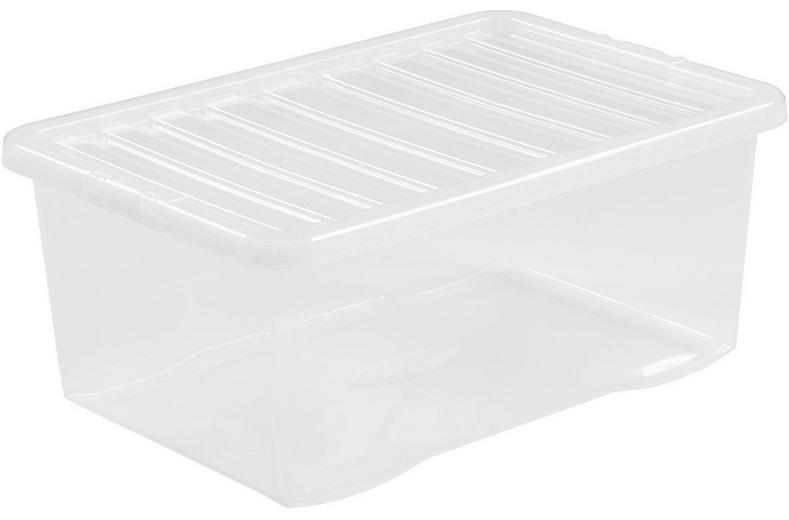
- Add storage under your bed – storage boxes are a great option to keep things neat and tidy
- Use collapsible shelves and units
Decorate
Lastly, you’ll want to decorate your van to suit your personal style.
Make sure you have the essentials covered:
- Warm bedding and blankets so you can sleep comfortably, even though you’re in the comfort of a van. Temperatures can still drop overnight, so always make sure you have layers ready in the van.
- Cups, plates, and basic kitchen items so you can comfortably eat the food you’ve cooked.
Other useful additions include:
- Curtains for privacy
- Pillows and soft furnishings for decoration
- Mugs and tea towels for hot drinks and spills
- A dustpan and brush or hand held vacuumed to keep everything clean and tidy
Legal & Insurance
Before hitting the road, it’s worth checking that you’re covered by your insurance, as you may need to take out campervan-specific cover. You should also make sure that your vehicle weighs less than 3.5 tonnes after the conversion. If it exceeds this weight, a regular driver’s licence won’t cover it, and you’ll need to apply for an HGV licence.
Insulation & Ventilation
This is one of the most important parts of your build for comfort.
- Add proper insulation to keep heat in during winter and out in summer
- Install a vapour barrier to prevent condensation and damp
- Include ventilation such as a roof vent or fan to reduce damp and improve airflow
Heating
If you plan to use your van in colder months, heating is worth considering. The most common options include:
Diesel heaters
Efficient and cost-effective to run, especially for long periods. They produce strong, dry heat and can often be connected directly to your van’s fuel tank, making them convenient for extended trips.
Gas heaters
Provide quick, powerful heat and are generally easy to install. They’re a good option if you’re already using gas for cooking, but they do require proper ventilation and regular gas refills.
Electric heating
Clean, quiet, and low maintenance with no fumes or fuel storage needed. Best suited for short-term use or well-equipped vans with large battery systems or hook ups, as they consume a lot of power.

Security
To protect your van and belongings, it’s a good idea to use extra locks on your most valuable belongings and always use window covers to conceal the contents of your van. A good option is the Milenco Commerical Steering Wheel Lock.
Tools & Emergency Kit
However long your road trip, you should always be prepared for roadside mishaps such as flat batteries or tyres.
It’s useful to keep a few essentials in your van, including:
- Jack and tyre / breakdown repair kit
- Jump starter pack
- Basic tools
- Warning triangle and high-vis gear
When it comes to shopping for your campervan conversion, here at Halfords we have a great range of products to help you enjoy van life to the full. Head over to Halfords.com or visit your local store and have a browse.