Solo camping is becoming more popular than ever, and it’s easy to see why. It gives you the freedom to explore, unwind and challenge yourself, all while enjoying the peace and quiet of nature – perfect if you’re looking to escape the hustle and bustle of urban life!
Why go on a solo camping trip?
Solo camping encourages you to push yourself out of your comfort zone, helping you to develop new skills and build your confidence.
Camping alone also allows you to take your trip at your own pace, as you are not bound to anybody else’s schedule. Plus, you might even meet other solo campers – so contrary to belief, it’s actually a great opportunity to be a bit social.
How to prepare for a solo camping trip
Pick the right campsite
Picking a campsite will be determined by a number of different things. If you are an experienced solo camper, you might want to explore a little further off the beaten track. However, if you are new to solo camping, then you might want to pick a campsite that is convenient and nearby, with local amenities such as shops and tourist centres within walking distance. Alternatively you might want to solo camp in style and book into a glamping site.
We recommend booking your campsite well in advance, especially if you are visiting during the spring and summer months. This helps you avoid disappointment at the end of a long drive, particularly if you are travelling further afield.
Plan activities
Before spending time alone, you’ll want to line up some activities to keep yourself entertained. Below, we’ve listed a few of our favourite camping activities:
• Reading a book or listening to a podcast
• Journaling or quiet reflection
• Cycling around the area
• Wildlife spotting or bird watching
• Exploring nearby villages or viewpoints
• Cooking different camping meals
• Learning basic navigation skills
• Building confidence with outdoor activities such as swimming and hiking
• Stargazing
All of these activities are perfect for striking the right balance between adventure and relaxation.
Staying safe solo camping
Next, it’s important to plan how you’ll stay safe when camping on your own.
Share your location
Before you head off on your solo adventure, share your location with trusted friends and family and keep in contact as much as you can.
Make sure you share key information, such as when you are going and when you are expected to return. If possible, share your live location on your phone so loved ones can keep an eye on you in real time.
Seek guidance
To be extra cautious, it is a good idea to speak to campsite wardens and let them know where you are heading for the day and what time you expect to be back at your tent. Most campsite wardens also have excellent knowledge of the local area, so they can help with things like bus timetables and other useful information.
Arrive in daylight
To avoid getting lost in unfamiliar places, especially if you are driving a long distance, aim to leave early in the morning so you arrive with plenty of time. This gives you a chance to pitch your tent safely, get your bearings and familiarise yourself with the surroundings and facilities.
What should I pack for a solo camping trip?
The advantage of solo camping over camping with a big group is that you can pack a lot lighter. However, you still need to make sure you have all the essentials for a happy camping experience that you’ll want to repeat time and time again. We have listed a few essentials below as a starting point.
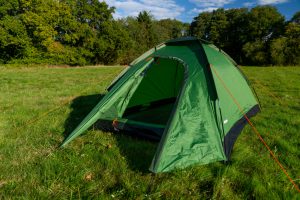
Tent
If you do not already have a tent, then you will need to buy one. For solo trips, a 2-man tent is enough room to sleep and store your belongings, especially if you are spending most of the day outside. You’ll also need something to sleep in, a Halfords Insulated Camping Mat and Hal Mummy 300 Sleeping Bag are easy to set up and carry.
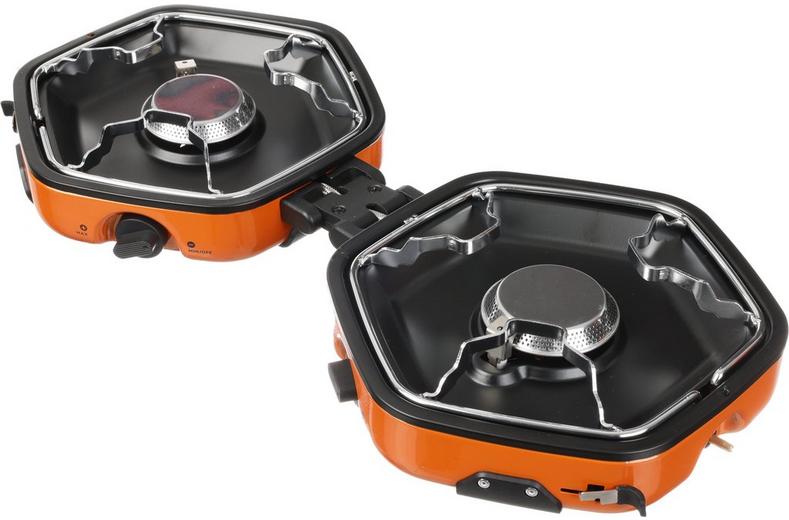
Cooking utensils
A compact stove and gas are a great way to make hot meals, keeping you fed and happy. Make sure you have one of each: plate, bowl, mug and cutlery. Large water bottles are also useful for filling up your kettle and staying hydrated.
Navigation device
If you are planning on going walking or cycling while on your solo camping trip, make sure you have a GPS or another navigation device such as a Garmin.
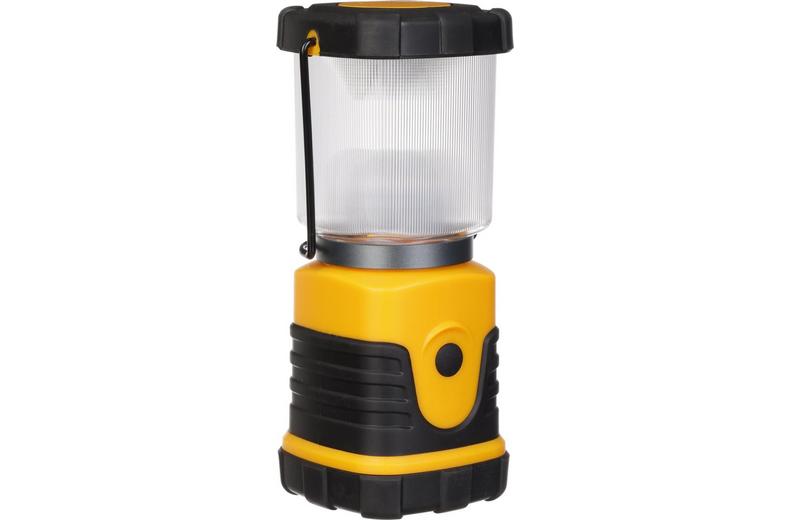
Lighting
Most campsites do not have a lot of lighting, as they aim to reduce light pollution in rural locations. A head torch is a must, especially if you are walking to and from the toilet block at night. In your tent, a lantern is a great idea so that once the sun goes down, you can still see what you are doing.
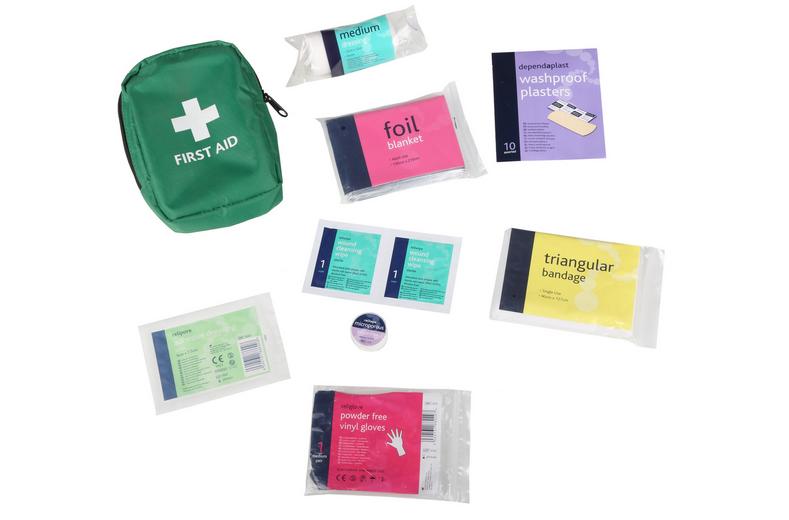
First aid kit
Stock up on first aid essentials in case of minor injuries. A compact kit such as the Halfords Essentials Compact First Aid Kit is ideal as it is small and easy to store in your car.
Phone charger and power bank
Stay connected by bringing a phone charger and a power bank. Many campsites offer charging points and electric hook-ups, but it is always best to be prepared. Make sure your power bank is fully charged and that you have the correct lead with you.
Whatever you need for a solo camping trip, you’ll want Halfords. Shop our range of camping equipment over at Halfords.com or visit your local store.
With a 2-year guarantee across Halfords products and services, including Apollo, Boardman, Carrera, Voodoo and more, you can shop with confidence, knowing extra cover is available if something goes wrong. Whether you’re buying a product online, booking an in-store fitting or having work carried out at one of our garages, our guarantee covers you for 2 years or 24,000 miles, whichever comes first.
T&C: 2-year/24,000- mile guarantee requires registration. Visit Halfords.com (Halfords.ie for ROI) for full T&Cs and restrictions.