EVs, or electric vehicles, are powered by electricity rather than petrol or diesel and produce zero tailpipe emissions, which can help improve local air quality. They also have fewer moving parts than petrol and diesel cars, which can mean lower maintenance and running costs. While EVs can offer plenty of range on a single charge, knowing how to drive efficiently can help you get further between charges and reduce the need for unnecessary stops.
Here, we’ll explore how to get the most out of your EV, including tips to maximise driving range, improve efficiency and help maintain battery life. From driving habits and regenerative braking to charging and air conditioning, we’ll show you how to make driving electric easier and more efficient.
Drive smoothly and efficiently
By adjusting your driving habits, you’re likely to get much more out of your EV. Aggressive driving styles can increase energy consumption and reduce your range while smooth, controlled driving can help your vehicle use energy much more efficiently.
To help maintain your EV’s battery condition, you should:
- Avoid harsh acceleration and sudden braking.
- Anticipate traffic or hazards ahead.
- Use Eco Mode where appropriate.
- Stick to the speed limits, especially on motorways as EV efficiency can decrease at higher speeds.
Although factors such as charging habits and temperature also influence battery degradation, taking small daily steps to smooth out your driving can make a positive difference.
Make the most of regenerative braking
Regenerative braking uses the kinetic energy from your electric car’s momentum and converts it into electricity, which can then be used to recharge your battery. While braking in a petrol or diesel car wastes momentum, an electric vehicle recovers that same energy to help extend the overall range.
Regenerative braking happens automatically when you:
- Lift your foot off the accelerator pedal.
- Press the brake pedal down.
One mode of regenerative braking is one-pedal driving, which means that reliance on the brake pedal sharply decreases. In one-pedal driving, lifting weight off the accelerator produces enough braking power alone to slow the car. Typically, it’ll trigger your car’s brake lights to come on, even if you’re not touching the pedal.
Brake smoothly and gradually where possible to make the most of regenerative braking and help improve your EV’s efficiency. It can also reduce wear on the conventional brakes, save you money spent on repairs and reduce energy waste.
Pre-condition your EV before driving
Using air con in your EV can also reduce the range of the car, but pre-heating or pre-cooling the cabin while plugged in can make a big difference. While your electric car is charging, run your air con to minimise the amount of battery energy needed once you’re on the road.
During warmer weather, you can also maximise the range of your EV by:
- Turning on Eco or Auto mode.
- Parking in the shade.
- Closing your car windows while using the air con.
- Avoiding electric vehicle charging during extreme temperatures.
During colder temperatures, there are specific steps you can take to maximise range:
- Use heated seats and heated steering wheels where available, rather than relying on cabin heating.
- Check your tyre pressure regularly, as cold can affect it.
Look after your EV’s tyres
EV tyres are designed to be durable due to the extra weight of electric cars and respond more briskly while accelerating. For safe driving, it’s important to check your EV’s:
- Tyre pressure.
- Tread depth.
- Tyre condition.
Inspecting your EV’s tyre pressure with a gauge can help maintain their efficiency, reduce the risk of blowouts, and maximise the vehicle’s range. You should aim to check your tyres every 2-4 weeks and always before long journeys. Under-inflated tyres are also more likely to wear down quicker, particularly on an EV, and they’ll need to be replaced sooner. You can check your tyre tread by inspecting their tread wear indicators or by using a tread depth gauge for better accuracy.
If there’s damage to the sidewall, an illegal tread depth or other major causes for concern, it’s time to buy some new EV tyres.
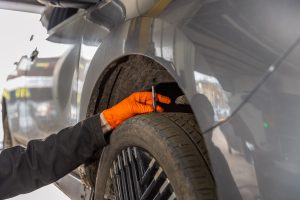
For expert reassurance, book a Free Tyre Check with at your local Halfords and receive reliable support and advice on the next steps you should take to get the most out of your car.
Plan your journeys
It’s important to plan carefully to ensure there are always EV chargers along your route as having to divert can unnecessarily deplete your range.
EVs generally use more energy at higher speeds because aerodynamic drag increases as speed rises. This means motorway driving can reduce your miles per kWh and overall driving range compared with slower driving. That’s why it can be worth planning the less direct, country roads route as opposed to blasting straight along the motorway.
- Stick to the speed limit and avoid unnecessary high-speed driving.
- Avoid packing excessively to lighten the load.
- Remove roof bars, roof boxes and bike racks, if not in use.
- Use your EV’s route-planning/charging features, if available.
When you do come to charge, avoid recharging your battery to 100% as this can cause the cells to degrade overtime. Although charging to 100% may be recommended when you need the maximum available range for a longer journey. You should always follow your specific EV manufacturer’s charging limits to keep your battery as healthy as possible.
Keep up with EV maintenance
To help protect your EV’s efficiency and range, it’s important to keep up with its servicing and maintenance. Issues with tyres, brakes, steering or other components can affect the efficiency of your EV’s performance, so servicing can help identify wear or faults before they develop into bigger, more expensive problems.
Regular servicing also helps to protect the car’s long-term condition and value if you ever come to resell it, and supports safety and legality on the roads.
Book an EV service today with our EV trained technicians:
- Full 70-Point Electric Vehicle Service, ideal for every 12 months or 12,000 miles.
- Major 70-Point Electric Vehicle Service, ideal for every 24 months or 24,000 miles.
Or book your EV service alongside your next MOT for up to 50% off your annual test:
When you book a Halfords Full or Major Service, or a Service and MOT Combi, you’ll also get 12-month Halfords Breakdown Cover included. That gives you 24/7 roadside assistance if you break down or have an accident, plus misfuel support, nationwide recovery and more, all at no extra cost. So, wherever your journeys take you, you’ll have expert help available if you ever need it.
T&C: Online bookings only. Eligibility criteria, exclusions and T&Cs apply.
Getting the most out of your EV doesn’t have to be complicated. Smooth driving, proper maintenance, sensible use of heating and air conditioning, regenerative braking and careful journey planning can all help you maximise your driving range and efficiency.
With a few simple changes to your driving and charging habits, you can make every journey more efficient to get even more from your electric vehicle.
With a 2-year guarantee on all parts fitted and work carried out at Halfords garages, you can drive away knowing that your work is covered for 2 years or 24,000 miles, whichever comes first. If a fitted part fails within that period, we can repair or replace it at any of our garages, so you have a clear route to getting back on the road.
T&C: 2-year/24,000-mile guarantee. Visit Halfords.com for full T&Cs and restrictions.