
Cycling gloves play a key role in improving comfort, protection, and control on the bike. Whether you’re riding short distances or spending hours in the saddle, the right pair of gloves can make your ride far more comfortable and enjoyable.
Why should you use cycling gloves?
Comfort
If you’ve ever ridden for a long period of time on your bike, even in fair weather, you’ll know how painful it can be. The handlebar vibrations and the rubber grip can create pressure points in your hands, leading to numbness, calluses, and even problems such as carpal tunnel syndrome.
Cycling gloves come with shock-absorbing padding to absorb vibration, allowing for a more comfortable ride.
Protection
Another key element of cycling gloves is protection. If you crash and fall while riding on rough ground or tarmac, gravel and road grit can cause serious cuts and bruising, so ruining a pair of gloves is much more favourable than splitting open your hands.
All cycling gloves offer a certain level of protection, but MTB gloves offer the most protection as they’re made from tougher materials due to the nature of mountain and trail terrains.
Control
In the event of a downpour while you’re out on the trails, wet hands will quickly reduce your control. Reduced grip on your handlebars can also happen when you get too hot, as your palms begin to get sweaty, causing your hands to slide around the handlebars.
This can be dangerous both on and off the road, which is why bike gloves are universally designed with textured palms and grippy fingers so that your hands won’t slip about, especially when you’re trying to grip the brakes.
What type of gloves are available?
Generally cycling gloves are split into two groups:
-
Cycle mitts – Fingerless gloves that are popular with road cyclists, especially in warmer weather, as they provide grip and comfort while keeping hands cool.
-
Long-finger gloves – Favoured by off-road riders, offering full-hand protection and often available in thermal versions for colder conditions and winter riding.
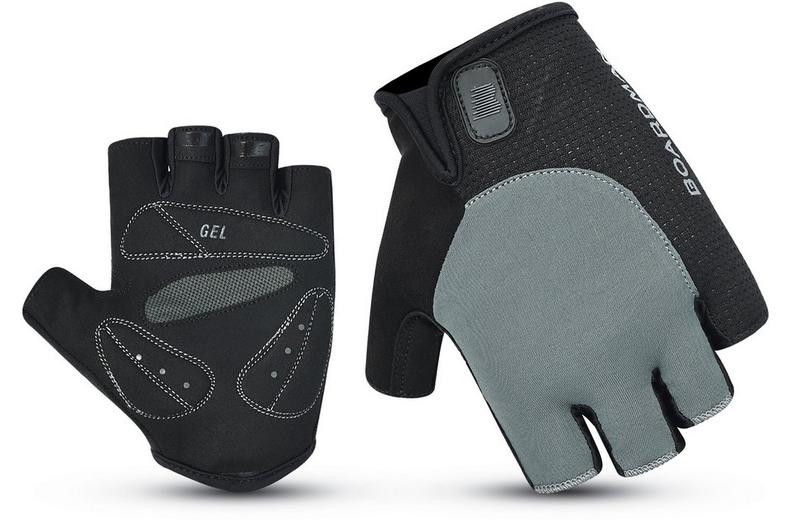
Cycle Mitts
In the summer, most riders will choose a short-fingered glove, also known as fingerless mitts, because they offer great breathability and air ventilation while also providing a reliable layer of cushioning between your hands and the handlebars. Many gloves feature foam cushioning, while some offer more advanced gel padding, such as the popular Boardman Mens Cycling Gel Mitts.
Mitts provide basic protection if you do take a tumble, but generally feature mesh venting to keep your hands cool and prevent excess sweat build-up, so they’re generally more common with road cyclists.
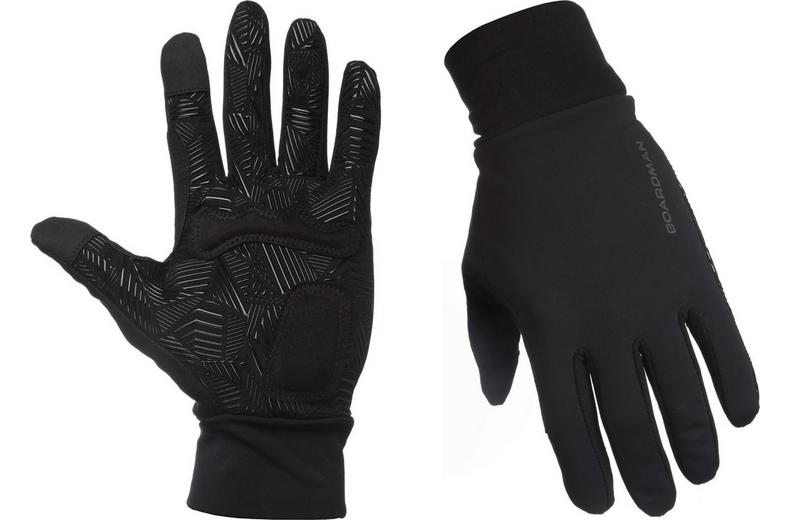
Long finger gloves
Most long-finger gloves are designed for commuting, mountain biking and other off-road disciplines, while some long-finger gloves even include thermal insulation and extra padding for when it gets a little cold in the winter.
Mountain bike gloves are long-fingered, as they offer better protection than fingerless options. These gloves are built with much tougher materials and have extra panelling to reinforce your protection in the event of a crash. When you’re jumping over technical terrain and flying down technical sections, you need to stay in control to avoid making contact with unwanted tree roots or rocks.
Most mountain bike gloves feature tacky palm material and silicone grips on the trigger finger that help you stick securely to the handlebars, such as the Boardman MTB Cycling Gloves. Padding is less common in these gloves, as good mountain bike suspension will take the shock out of every manoeuvre.
However, most long-fingered gloves can be worn all year round and are most favourable for commuters, recreational riders, and on-road fitness training. The extra grip across fingers helps you control braking and gear shifting in wet conditions, a great everyday option are the Boardman Lightweight Cycling Gloves.
How do I work out my glove size?
Getting the right fit is important, so measuring your glove size is the best way to ensure a perfect, snug fit.
Ideally, you want to avoid gloves that are too tight, as they can affect your movement or circulation, and too loose, as movement while riding may cause chafing.
To measure your hand accurately, follow these simple steps:
1. Measure your dominant hand; for most of us, this is our right hand.
2. Keep your hand flat and use a tape measure to get the circumference of your palm.
3. Measure the length below your knuckles, excluding your thumb.
Generally, men’s glove sizes correspond to clothing size. For example, if you’re a medium, you’re most likely to need medium gloves.
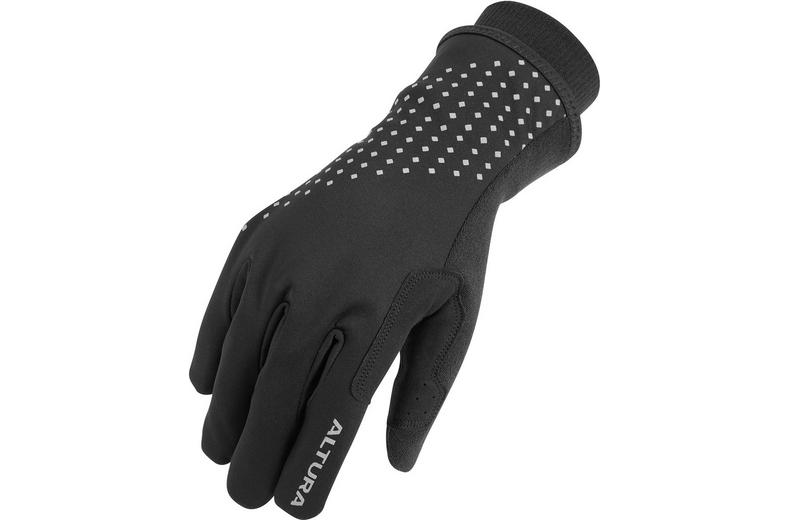
Winter Cycling Gloves
Cycling gloves can generally be categorised into short- and long-fingered gloves. Winter cycling gloves offer enhanced features to help keep your hands cosy.
Winter gloves are long-fingered, with some models benefiting from added rain and wind protection. When your hands get wet from rain and are then battered by the wind, you’re far more likely to experience numbness in your fingers.
As winter gloves are more bulky than standard gloves, you may lose a small amount of finger movement, but this is a worthwhile trade-off compared to freezing fingers. A good example is the Altura Nightvision Insulated Waterproof Glove, featuring plenty of reflective details to help you stay safe and seen by other road users.
Overall, choosing the right gloves depends on weather, riding style, and comfort needs, with long-finger and winter gloves offering more protection and short-finger gloves prioritising breathability for summer months. For more information, shop online at Halfords.com or pop down to your local store.
Free 25-Point Bike Heath Check
Before you set off, give your bike the care it deserves with a FREE 25-Point Bike Safety Check at your local Halfords store. Our expert technicians will thoroughly inspect essential components, including the frame, wheels, and braking system so you can ride with confidence, whether you’re commuting or hitting the trails. Book your free check today and enjoy a smoother, safer ride.