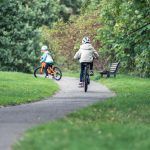
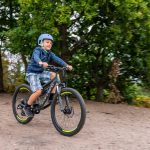
Cycling to school can be a great way to help children stay active, build confidence and develop lifelong cycling skills. It can also turn the school run into an enjoyable part of the day while reducing reliance on the car or public transport.
Here are some essential cycling safety tips to help your child cycle to school safely and confidently as the seasons change.
1. Prioritise visibility
With the new school year underway and autumn bringing darker mornings and wetter weather, it’s important to make sure your child is prepared to cycle safely and confidently by making them clearly visible.
Choose bright, visible cycling clothing
Bright, fluorescent or reflective clothing can help your child stand out during darker mornings and evenings. Reflective materials are particularly useful in low-light conditions, helping other road users spot cyclists more easily.
- Kids’ high‑visibility vests that fit easily over school uniforms.
- Reflective jackets for colder months.
Add bike lights
Equally as important, bike lights can enhance your child’s visibility on the roads, keeping them safe around cars and other road users. As daylight hours shorten, bike lights become increasingly important. If your child is cycling at night, you must add:
- A white front bike light.
- A red rear bike light.
- Bike reflectors.
2. Make sure their bike helmet fits properly
A properly fitted bike helmet is an essential part of your child’s cycling kit, but can only offer maximum protection if it fits correctly. To provide the intended level of protection, it should fit correctly and be securely fastened.
Use the three‑step helmet fit check:
The eye check
Your child should look up and see the bottom rim of the helmet. There should be a one‑to‑two‑finger gap above the eyebrows.
The ear check
The straps should form a neat “V” shape under each ear.
The mouth check
Ask your child to open their mouth wide. The helmet should feel snug and stay in place.
When choosing a helmet, look for one that fits comfortably, meets the relevant safety standard and is a design your child is happy to wear regularly.
We have lots of stylish options including the Apollo Fairytale Kids Helmet and the Halfords Kids Camo Helmet that’ll keep them cool and safe.
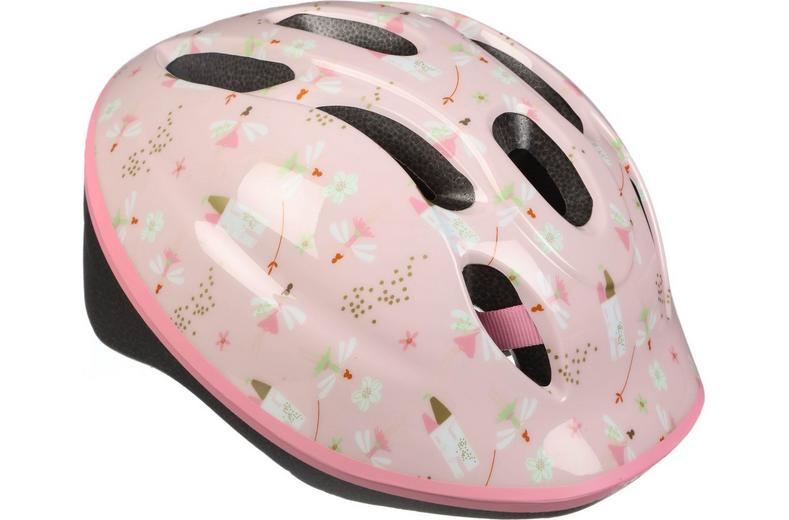
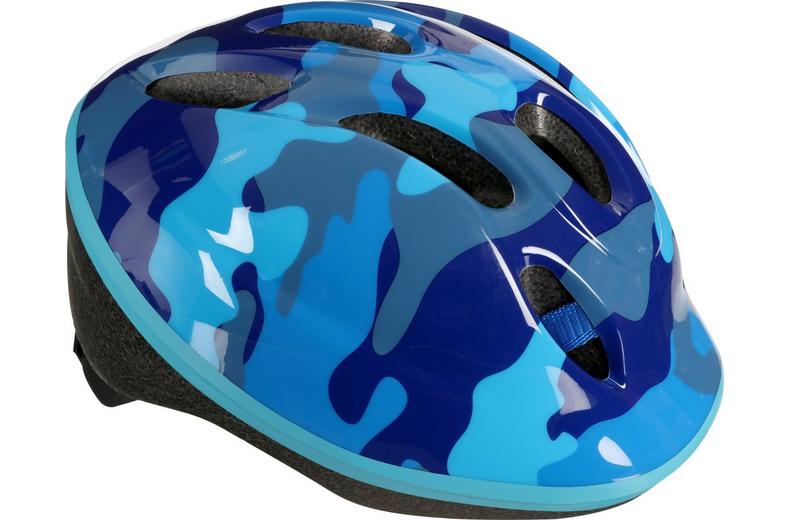
If you’re still not sure whether the helmet is the correct fit, head over to our guide to finding the correct fitting helmet.
3. Check their bike carefully
Bike checks and maintenance
Whether it’s a new bike or just hasn’t been used in a while, carry out some routine steps to ensure that their bike is safe and ready for the school year. It’s recommended that you perform checks on components like brakes, tyres, wheels, gears, drivetrain, saddle, handlebars, lights and reflectors.
- Ensure the bike tyres are correctly inflated and in good condition.
- Brakes are working properly.
- Lights and reflectors are clean and functional.
- The chain is clean and properly lubricated.
If you’re unsure how to maintain the bike, Halfords offers a range of bike services to keep everything running smoothly. Our Free Bike Health Check includes a 25-point inspection of key components, ensuring your bike is safe and roadworthy.
Bike size
A properly sized bike is also essential for safety. If your child is overstretching for the brakes or hitting the handlebars with their knees, they won’t be able to control the bike properly. Alternatively, a bike that’s too small will quickly make your child uncomfortable, and they’ll need a new bike sooner.
You can explore our kids’ bike sizing guide to find the ideal fit for your child.
4. Plan a safe cycling route
Choosing the right route is just as important as choosing the right bike. Look for:
- Quiet roads.
- Cycle lanes.
- Off‑road paths.
- Routes with fewer junctions.
Ride the route together at the weekend so your child can practise safely. If they’re worried about being seen with you, simply turn back before reaching the school gates.
5. Add useful cycling accessories
The right accessories can make cycling safer and more comfortable:
- Bike gloves and mitts keep hands warm in autumn and winter, and protect soft palms from potential scrapes.
- Waterproof footwear or a spare pair of socks can help keep feet dry on wet days.
- Spoke lights or spokies are a fun way of adding extra visibility to kids’ bikes.
- Bells and horns help your child alert others of their presence.
- Mudguards to help keep spray off their uniform and clothes.
6. Bike security
If your child leaves their bike at school during the day, make sure they have a suitable lock and know how to use it.
The Halfords Essential Kids’ Bike Lock is easy to carry in a bag and can help improve bike security. Designed with younger riders in mind, it’s lightweight, easy to carry and simple to use.
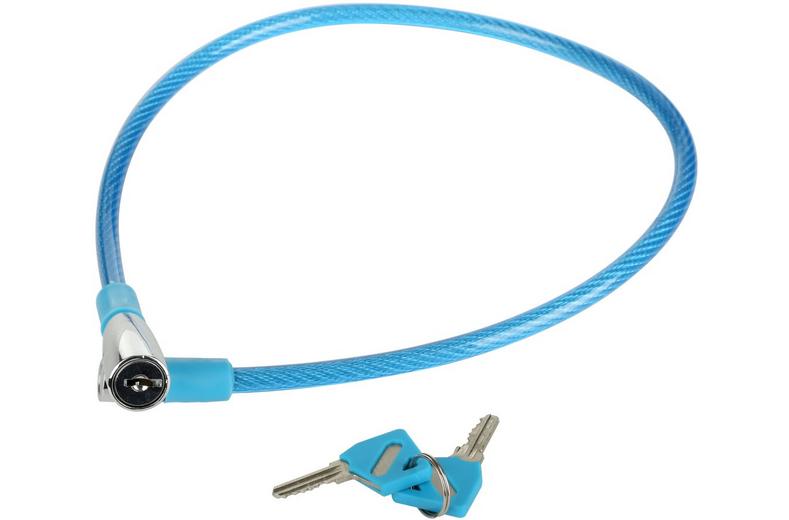
If you’re worried about a misplaced key and an impromptu trip to school to break the bike free, consider one of our many combination bike locks. If you’d prefer not to rely on a key, a combination bike lock can be a practical alternative.
7. Teach essential road safety and awareness
Before your little cyclist heads out, one of the most important factors for safety is their road awareness. Teaching your child road safety is important and includes steps such as:
- Checking for traffic both ways before moving off.
- Looking both ways at junctions and crossings.
- Remaining alert to parked cars and opening doors.
- Following road signs and signals.
- Avoiding distractions such as headphones or mobile devices.
- Practise tricky junctions and crossings together before your child’s first solo journey.
Halfords guarantee
With a 2-year guarantee across Halfords products and services, including Apollo, Boardman, Carrera, Voodoo and more, you can shop with confidence, knowing extra cover is available if something goes wrong. Whether you’re buying a product online, booking an in-store fitting or having work carried out at one of our garages, our guarantee covers you for 2 years or 24,000 miles, whichever comes first.
T&C: 2-year/24,000- mile guarantee requires registration. Visit Halfords.com (Halfords.ie for ROI) for full T&Cs and restrictions.
Cycling to school can be a great way for children to stay active, build confidence and develop important road awareness skills. With the right bike, a properly fitted helmet, suitable clothing and a safe route, you can help make every journey safer and more enjoyable.
Before the school run becomes part of their routine, take time to check their bike, practise the route together and make sure they feel confident riding in different conditions. A little preparation can go a long way towards helping your child enjoy the benefits of cycling throughout the school year.