How do you prepare for camping in the rain?
British weather is known for being unpredictable, but camping in the rain doesn’t have to ruin your trip. With the right waterproof tent, suitable clothing and a few simple setup techniques, you can stay warm, dry and comfortable even in wet weather.
This guide explains how to prepare for camping in the rain, what to pack and how to keep your tent dry throughout your trip.
Before you go
Monitor the weather forecast
To help you prepare thoroughly, keep an eye on the weather forecast. If only light rain is forecast for part of your trip, you may not need to prepare as extensively. However, British weather is varied, even during the summer, so it’s a good idea to pack for the worst case scenario!
Check camping gear
Firstly, it’s a good idea to give your existing camping gear a thorough check to ensure there’s no damage. Pitch your tent before you go and double check the seams, zips, and flysheet to ensure your tent is waterproof.
You can explore our full range of tents which covers everything from pop up tents to 8-person tents – look out for ‘double skin’ options for extra weather-proof support.
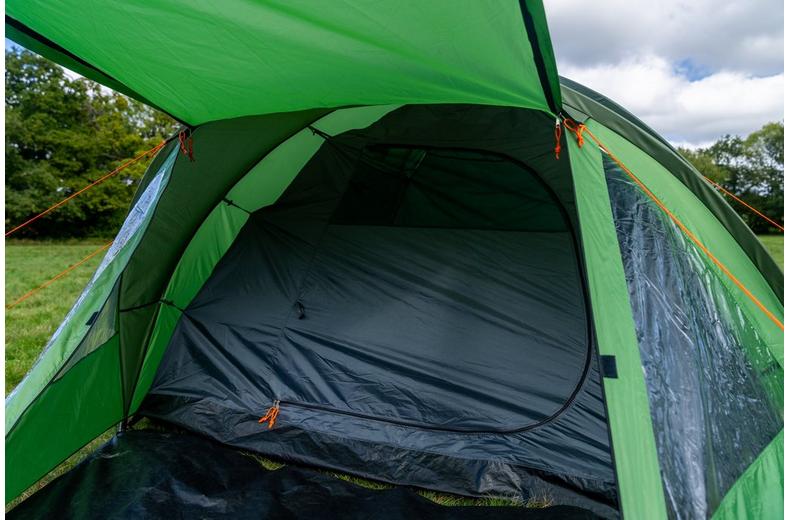
As an extra measure, you could even apply a waterproofing agent to improve protection from the rain.
Secondly, laying out all your equipment will help you see if there’s anything you’re potentially missing. If you’re stuck, our camping must haves blog covers all the camping essentials you’ll need.
Pack the essentials
What should you pack for camping in the rain?
Prepare for rainy adventures and drizzly evenings by packing the essential camping gear that’ll help keep you dry and snug. As a minimum, you should remember to pack:
- Sensible sturdy footwear for slippery surfaces, and waterproof wellies.
- Waterproof outer layers, including jackets and trousers for days out exploring. They’re often lightweight and easy to stuff into a backpack when the weather brightens up.
- An umbrella.
- A torch – rain often means lower visibility, so make sure you’ve got enough light to make late-night trips to the facilities.
A dry bag or waterproof sack (or even a bin bag in a pinch) can help protect valuables and electronics from rain.
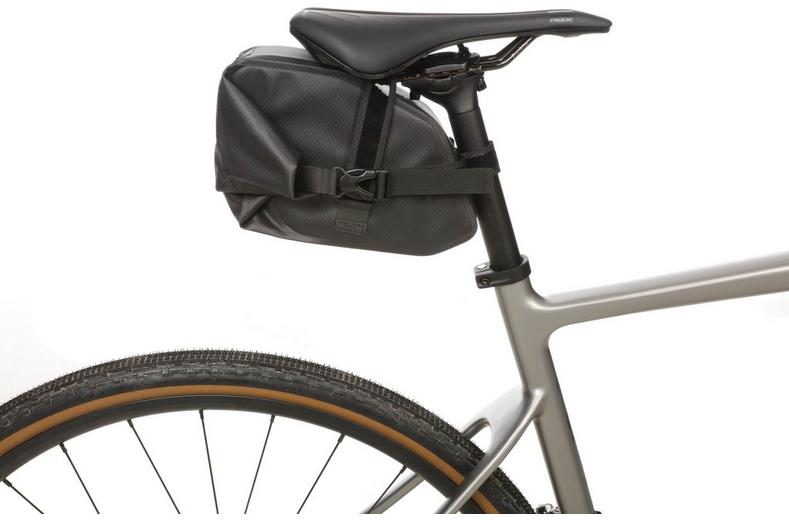
For trips out on the bikes, the Halfords Advanced range of waterproof bike bags are ideal to store items like phones, wallets, and car keys, while keeping them safe from the rain.
Pack extras
During wet and windy weather, it’s a good idea to carry spares of particular items in case they break or become too wet. That way you can quickly replace it or have a spare to use while the other one is drying off. We recommend carrying spare:
- Towels.
- Clothing.
- Tent pegs.
- Guy ropes.
- Tarpaulin/groundsheet.
- Blankets.
- Bin bags for wet gear.
- Torches.
Make sure to take even more spare towels if you’re camping with your dog! You can find more tips and advice on our camping with dogs essential guide.
Pitching your tent
Choosing your camp location
Before you start setting up, consider where you’re going to pitch. If possible, it can be useful to:
- Camp on even slightly elevated ground as the rainwater can run downhill.
- Avoid pitching on dips or hollows where water is likely to gather.
- Face the tent door away from the wind’s direction to stop rain blowing inside when you open it.
Set up correctly
During wet weather, pitch your tent on slightly elevated ground and ensure all guy lines are tensioned correctly so rainwater runs off instead of pooling.
Remember that your groundsheet must not be any larger than your tent floor – if it sticks out, rain will pool and funnel down into your tent! It can be a good idea to pitch the flysheet first, as that can help prevent your tent interior getting damp during setup.
For more advice, check out our blog on tips and tricks for the perfect tent set-up.
Keep the tent well-ventilated
While you want to keep your tent as waterproof as possible, it’s also important to maintain sufficient ventilation to prevent condensation. During dry periods, be sure to open up the vents to let the air circulate.
A lot of the dampness campers notice is actually condensation from breathing, rather than rain finding a way in. Supporting good airflow when you can helps counteract this.
Staying dry
Keep the inside of your tent dry
It’s important that you keep the inside of your tent dry so having a dedicated zone to dry wet or damp clothing can stop your tent from feeling damp. An awning or porch is a great option to allow any wet items to dry out.
If you’re bringing your pooch, keep a towel available to dry off any muddy paws as well as boots or other condensation.
Avoid touching the inside walls of your tent while it is raining, as pressure on the fabric can encourage water to seep through.
Prepare your sleeping area
Regardless of how waterproof your tent may be, there are extra steps you can take to keep your sleeping area dry and comfortable.
- Avoid sleeping near the sides of the tent in case water does seep through.
- Use a quality sleeping mat, airbed or camping bed for insulation from the cold floor.
- Only wear completely dry clothes before getting into bed.
- Choose your sleeping bag carefully, and look for double-layer insulation and shoulder baffles for warmth.
During your trip
Keep repair kits handy
During wet and windy weather, there’s a chance you may need to make a few repairs or adjustments during your trip. We recommend carrying waterproof spray, tape and basic tools in case you need to make some quick fixes.
Never cook inside the tent
Whilst cooking outside when it’s raining isn’t practical, under no circumstances should you cook inside your tent. There’s the risk of carbon monoxide build-up as well as fire hazards. We recommend either eating food that doesn’t require cooking or heading to the local pub!
Alternatively, you could set up a tarp or awning for a dry and atmospheric place to cook and enjoy nature. Easy one-pot meals and hot drinks are a must!
Find ways to stay entertained
If certain days are particularly rainy, it’s always worth finding games to keep you entertained while sheltered. It could be a book, a board game or a pack of cards.
Alternatively, choose a campsite that has onsite facilities such as a games room or indoor swimming pool – this is a particular lifesaver if you are camping with kids.
Packing up
Heading home dry
Before packing away your campsite, make sure wet clothes, tents and other equipment are as dry as possible, otherwise you may come back to bad smells and mould the next time you come to use them.
If you do have to pack up while everything’s still wet, remember to fully dry it out as soon as you arrive home. Otherwise, the waterproof coating could be damaged, leading to mildew.
Rain does not have to spoil your camping trip. With the right preparation, waterproof equipment and practical setup techniques, you can stay warm, dry and comfortable even in wet British weather. Explore Halfords camping equipment to make sure you are fully prepared for your next outdoor adventure.
With a 2-year guarantee across Halfords products and services, including Apollo, Boardman, Carrera, Voodoo and more, you can shop with confidence, knowing extra cover is available if something goes wrong. Whether you’re buying a product online, booking an in-store fitting or having work carried out at one of our garages, our guarantee covers you for 2 years or 24,000 miles, whichever comes first.
T&C: 2-year/24,000- mile guarantee requires registration. Visit Halfords.com (Halfords.ie for ROI) for full T&Cs and restrictions.