How to cycle safely in the sun
The arrival of the warmer weather is a great opportunity to get out on your bike. However, while nothing beats cycling in the sun, it’s important to stay safe and protected from its penetrating rays.
If you leave yourself too exposed, you could become sunburned or dehydrated. So, here are a few top tips to help you keep the UV rays at bay when you’re enjoying your sunny cycling adventures.
1. Stay hydrated
Staying hydrated may seem like an obvious point, but it’s something that many riders often overlook or underestimate. You don’t want to be without water when you’re in the middle of nowhere!
Here are some key hydration-related things to consider before you head out on a bike ride:
How much water do you need to drink?
How much you need to drink will depend on the intensity and length of your ride, plus the weather conditions. So, if you’re heading out on a multi-hour or high-intensity ride:
- Carry as much water as possible.
- Plan stops to top up your bottle if necessary.
- If you’re sweating quite a lot, consider replenishing your fluid balance with electrolytes.
Even on shorter rides, it’s still a good idea to carry a large water bottle.
Top tip: It’s generally recommended that you drink around 500ml of water per hour on a cooler day and up to two litres on an extremely hot day – but again, this will also depend on the intensity and length of a ride, the weather and the individual, as everyone sweats at different rates.
How to carry water on a bike ride?
This is where pre-planning becomes essential.
There are a few bike-ride spots where you can store your water bottles:
- Most bikes are designed to carry two water bottles.
- A backpack can make room for one more.
- Some road cyclists store water bottles in their jersey pockets.
Despite these spots, sometimes it’s not enough or it’s just too impractical for a full ride – so what do you do?
While road cyclists are likely to pass plenty of places to buy water, mountain bikers are more often stuck on a trail in a remote location with no shops in sight. That’s where a hydration pack can come in handy. Usually holding anywhere between one to three litres, hydration packs are similar to backpacks except they store water.
There are lots of hydration packs available, but for a full day on the trails, the Halfords 1.5L Hydration Pack is the ideal option.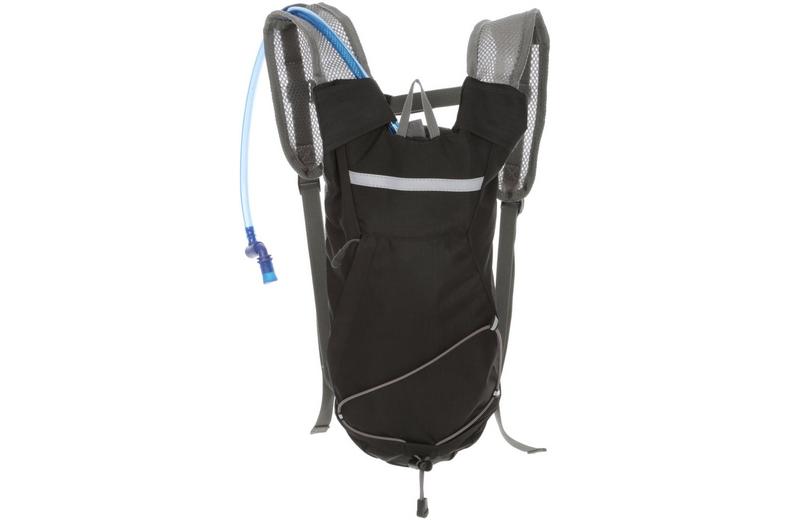
- It has a carrying capacity of 1.5 litres.
- A small pocket is attached to store your phone or keys.
- It’s lightweight and mesh padded to promote breathability.
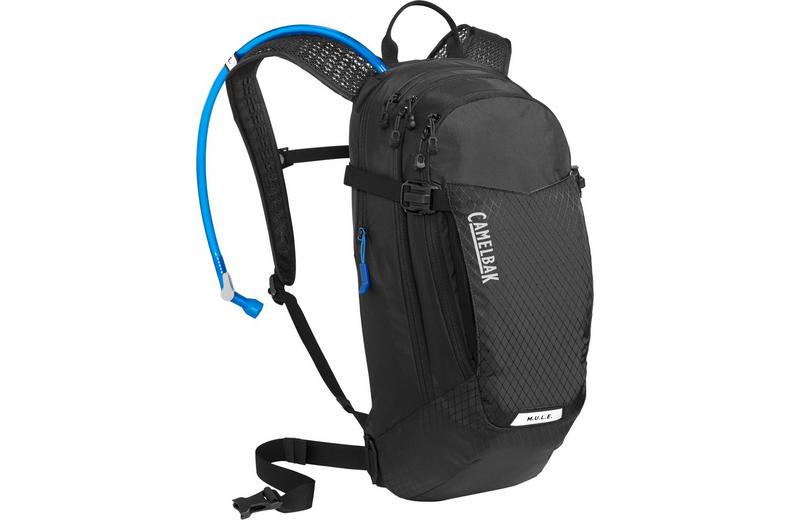
Or step it up a level with the Camelbak MULE 12L + 3L Hydration Pack, which features:
- A cargo only capacity of 9 litres.
- A reservoir capacity of 3 litres for even more hydration.
- Helmet carry and integrated tool organisation.
- A removable stability belt.
- A ventilated harness and air support back panel.
How often should you drink water?
It’s easy to fall into the trap of only drinking when you feel thirsty, but by then, you’re probably already on the road to dehydration.
Instead, aim to drink little but often. Get into the habit of regularly swigging from your bottle, making sure to start drinking from the moment you start your ride. If you’re getting to the stage where you’re having to down half a bottle in one go, you haven’t been drinking enough.
When to drink electrolytes?
Additional heat from the sun means you’ll sweat more, but it’s not just liquids you’ll be losing – you’ll also lose valuable electrolytes.
Electrolytes are electrically-charged minerals that are needed to help your body function while cycling. They affect everything from muscle contraction to your body’s ability to hydrate, so they need topping up!
That’s why you should consider adding an electrolyte supplement to one of your drinks. Electrolyte supplements help replace key electrolytes lost in competition rides, training rides, or simply exercising in the heat.
2. Keep well ventilated
Summer’s arrival means one thing – time for a short-sleeve jersey and shorts. With the chillier months now gone, there’s no need to pile on the layers, but you still need to think carefully about what you’ll wear.
When it’s warm, you should opt for cycle clothing with:
- Breathable fabric.
- Sweat-wicking qualities.
- High-quality ventilation – particularly in cycle shoes and helmets.
A cycling cap is also a good option as these provide additional cover from the sun. The Boardman Cycle Cap is perfect for this.
- Its fabric is designed to wick away sweat, keeping you cool and comfortable.
- It’s versatile as the cap can be used to provide shade from the sun but also doubles up as an extra layer on cooler days.

Although they’re not too appealing in hot weather, to avoid burning consider wearing a long-sleeved jersey. Stay aware of the sun’s power, and try to keep as much of your skin out of direct sunlight as possible.
3. Always wear suncream
How does SPF work?
Remember, the SPF isn’t about the level of protection that the sun cream offers, but instead how long you can stay out in the sun before it starts becoming less effective. If you’re not sure which SPF number you need for your skin type, then you can find out more at the Skin Cancer Foundation.
It’s always worth remembering that sun cream will protect against UVA/UVB rays but is never 100% effective at preventing sunburn or skin cancer. Try and spend time out of the sun, especially:
- At midday (peak UV times).
- On completely cloudless days.
4. Pick the right time to ride
To avoid the peak intensity of the sun’s rays during the hottest days, avoid cycling midday or around 11am – 3pm as this is when UV is strongest. It can be much more enjoyable to ride in cooler weather in the early morning or evening.
It’s also worth readjusting your effort and riding a little slower than you usually would – your body works harder and sweats more during hot weather so remember to account for that!
5. Plan your route smartly
Ahead of your next bike ride, plan your route so that there’s plenty of shade or rest stops to pause at. Getting out of the sun completely every now and again is the best way to guard against sunburn, so use that as an excuse for a well-deserved break!
Avoid cycling on unsheltered routes that leave you exposed. Plus, during very hot weather, roads can become slippery due to melting tar or loose gravel.
6. Wear sunglasses
Sunglasses help to make your ride a lot safer, whether you’re on roads or trails:
- They keep direct sunlight and glare out of your eyes.
- They protect your eyes from damaging UVA and UVB rays.
Buy from a trusted retailer and look for the CE mark, which shows that they adhere to European safety regulations.
Halfords cycling sunglasses offers 100% UV protection, so you can keep your eyes on the road or trail.
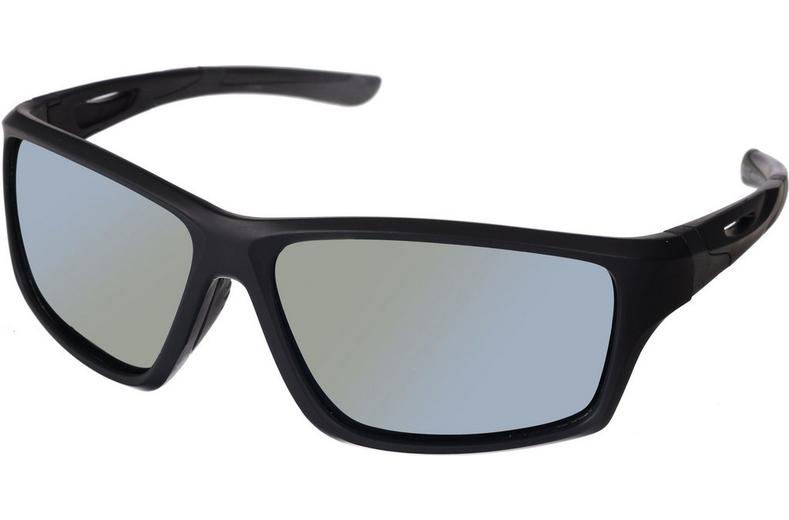
Perfect for the sunniest of days, the Halfords Polarised Sunglasses are available to support your next bike ride. They feature:
- Polarised lenses that help define shadows and textures.
- Grips on the arm tips and nose for a secure non-slip fit
- 100% UV protection.
- Non-slip, face-hugging rubber arm grips.
- Category 3 lenses – ideal for sunny conditions
6. Know the signs of overheating
You can keep yourself and other cyclists safe in the sun by remaining aware of the key signs of heat stroke, so you can support each other as quickly as possible.
There are physical and physiological symptoms that indicate your body’s struggling with heat stroke:
- High body temperature – a core temp of 40°C or higher is the main sign.
- Confusion, agitation, irritability, tiredness or weakness.
- Excessive sweating or perspiration.
- Feeling very thirsty and having a persistent headache.
- Feeling nauseous, or vomiting.
- Rapid and shallow breathing which indicate the body is struggling to cool down.
- Cold and clammy, or very flushed skin.
- Dizziness, light-headedness or even unconsciousness.
- Muscle cramps.
Although there are even more signs of hyperthermia, these are the most common ones to keep an eye on. If you do suspect that you or somebody else has heat stroke, follow these steps:
- Move them to a cool and shaded area.
- Remove their jacket, socks, gloves, etc.
- Have them drink a sports drink or cool water.
- Cool their skin down with water, fans, or cold packs.
If you’re still concerned, check the NHS website for more information, or ring 111 (for expert advice) or 999 (for urgent help e.g. still unwell 30 minutes after following the steps above, loss of consciousness or seizures).
6. Enjoy your ride
As long as you’re well prepared, riding in the sun can be a great experience. Our outdoor time is precious and the health benefits of staying active while riding a bike are vital for physical and mental wellbeing.
By following the steps above, you’ll be much better protected from the side effects of riding in the sun, and be in for a great summer of cycling!
Follow our tips and head out on your cycling adventures, confident that you’re prepared. Head over to Halfords.com where you’ll find a range of summer cycling clothing, sunglasses and accessories.
With a 2-year guarantee across Halfords products and retail services, including Apollo, Boardman, Carrera, Voodoo and more, you can shop confidently, knowing extra cover is available if something goes wrong. Whether you’re browsing products online, shopping in-store or booking a fitting, our guarantee covers you for 2 years or 24,000 miles, whichever comes first.
T&C: 2-year/24,000- mile guarantee requires registration. Visit Halfords.com (Halfords.ie for ROI) for full T&Cs and restrictions.