With the UK often imposing hosepipe bans to restrict water usage, staying on top of cleaning your car may seem like a bit of a challenge.
While restrictions can make traditional car washing more difficult, you can still remove dirt, maintain your vehicle’s finish and keep your car looking its best using the right products and techniques.
What you need to wash your car without a hose?
To wash your car without a hose, gather the following items:
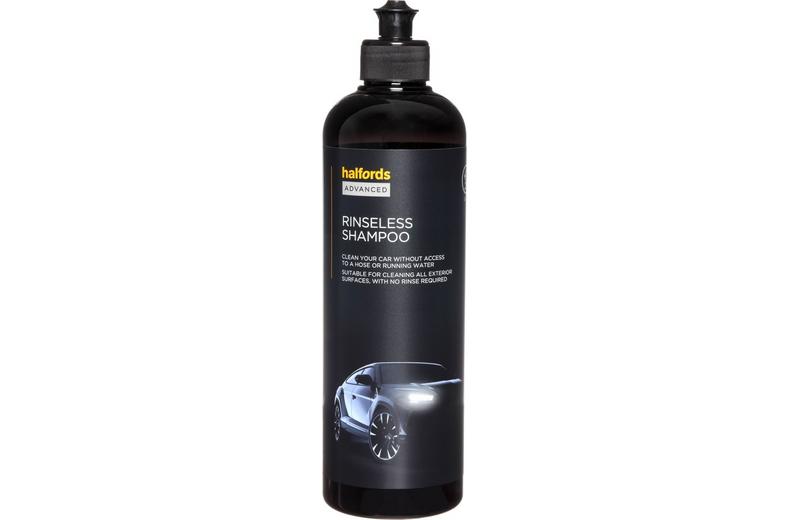
- A Rinseless shampoo – Halfords Advanced Rinseless Shampoo
- A waterless spray – Halfords Waterless Wash 500ml
- Two large bucket – Halfords Advanced 20 Litre Valeting Bucket
- A microfibre mitt – Halfords Advanced Microfibre Wash Mitt
- Microfibre cloths – Halfords Microfibre Cloths 5 Pack
- A grit guard – Halfords Advanced Grit Guard
Step 1: Pick a location
First off, you need to pick the best location.
As hose pipe bans are most popular in the summer months, it’s likely going to be humid and sunny outside, meaning that your rinseless soap is likely to dry much quicker.
Find a spot on your driveway that’s most shaded, or wait until the sun drops low and your car is no longer in the direct path of the sunlight. If you try and wash your car with the sun beating down, you will end up with water marks and smears.
Step 2: Loosen dirt
If your vehicle is pretty dirty, loosen some of the muck by using some of the water from your bucket and pouring it over your vehicle, starting at the top so that it drips down your car and you’re not wasting any on the floor.
Avoid scrubbing your vehicle’s surface at this stage, as loose grit clinging to your paintwork could end up scratching it and causing damage.
Step 3: Wash
The next stage is to start washing your vehicle.
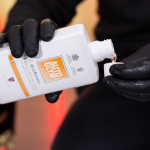
Using the ‘two bucket’ method, you should fill one bucket with water and your rinseless solution, and the second with just water for rinsing your microfibre mitt. If you’re using a grit guard, then use this in the second bucket so that when you rinse your mitt, you aren’t transferring any dirt or grit to your clean soapy bucket.
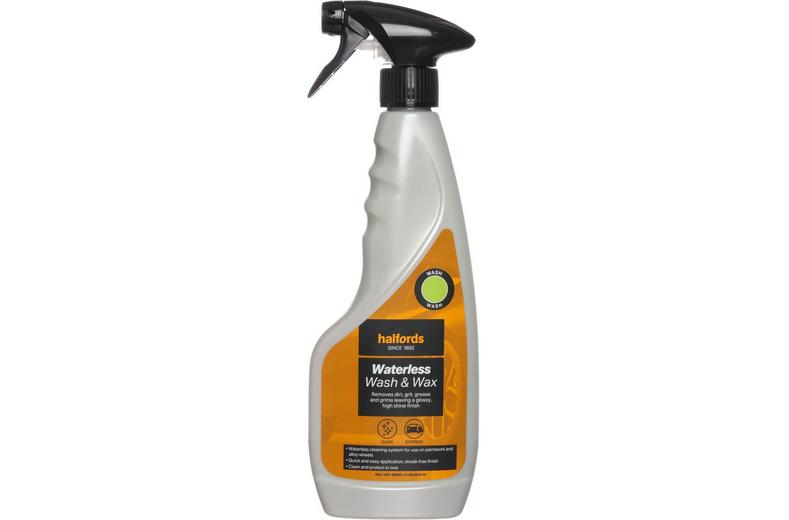
For lighter washing, when your vehicle isn’t super dirty, you could opt for a waterless spray instead of using a shampoo.
For this, all you’ll need is your waterless spray. Spray it directly onto your cars cool surface and let it sit for 10–15 seconds to emulsify the dirt. Then, wipe it off with a clean microfibre towel to keep your vehicle muck-free. A waterless spray is a great option for intimate washing, so between bigger washes to keep your vehicle nice and clean.
Step 4: Dry & Buff
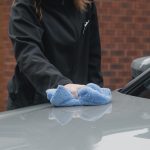
Using another clean, dry microfibre cloth, remove any remaining moisture and achieve a streak-free and water-mark-free glossy finish. Flip and change your towel regularly to avoid smearing, and if you have time, applying a wax can help to protect your paintwork and enhance your vehicle’s finish.
How to deal with common car cleaning problems during a hosepipe ban
During a hosepipe ban, you don’t always need to wash your entire car to keep it looking its best. Many common marks, stains and contaminants can be removed individually using targeted cleaning products and techniques that require little or no water.
Remove bugs without washing your whole car
Clear pollen without using a hose
Remove bird droppings before they damage your paintwork
Clean Saharan dust safely without a hose
Saharan dust can settle on your car’s paintwork and, if removed incorrectly, may cause fine scratches and swirl marks. Rather than wiping the dust away dry or reaching for a traditional hose wash, it’s important to use gentle, low-water cleaning methods designed to lift dirt safely from the surface. Waterless washes, detailing sprays and soft microfibre cloths can help remove light dust while minimising water usage and protecting your vehicle’s finish. For expert advice on the safest cleaning techniques, read our guide on how to wash Saharan dust off your car.
More ways to reduce water when washing your car
If you’re looking for more ways to reduce water usage when cleaning your vehicle, our guide on how to wash your car with less water covers additional techniques, product recommendations and tips for achieving a great finish while using less water.
FAQs
Can I wash my car during a hosepipe ban?
It depends on the restrictions put in place by your local water company. During a Temporary Use Ban (TUB), using a hosepipe to wash a private vehicle is usually prohibited, although specific rules and exemptions can vary between regions. For example, some water companies may allow certain commercial car washes to remain open or provide exemptions in limited circumstances. Before cleaning your vehicle, it’s always worth checking the latest guidance from your water supplier. If hosepipe use is restricted, waterless car wash products, rinseless washes and targeted spot cleaning can help you keep your car clean while using little to no water.
Can I use a pressure washer during a hosepipe ban?
In most cases, pressure washers connected to a mains-fed hosepipe are also restricted during a hosepipe ban. That’s because the water supply is still being delivered through a hosepipe, even if the pressure washer itself uses water more efficiently than a standard hose. However, restrictions can differ between water companies, so it’s important to check local guidance before use. If a pressure washer isn’t permitted, consider using waterless cleaning sprays, rinseless wash products or dedicated cleaners for specific issues such as bird droppings, bug splatter or pollen.
How do I wash my car during a hosepipe ban?
There are plenty of ways to keep your car clean during a hosepipe ban without using large amounts of water. Waterless wash products and rinseless cleaning solutions are designed to lift dirt safely from the paintwork while using little or no water. You can also focus on targeted cleaning, removing bird droppings, bug residue, pollen and other contaminants from affected areas rather than washing the entire vehicle. Using microfibre cloths alongside specialist cleaning products can help maintain your car’s appearance while staying within local restrictions. For more detailed advice, take a look at the sections above on cleaning pollen, bird droppings, bugs and Saharan dust during a hosepipe ban.
So, there you have it, washing your car without a hose is simple if you follow the above steps, and you really can still achieve a glossy and streak-free finish without using lots of water – handy in a hosepipe ban, or if you’re just feeling eco-conscious.
For all your car cleaning requirements, shop our full range of car cleaning over at Halfords.com, or pop into your local store and have a browse.