Between gathering lunch boxes and tying shoelaces, getting your children to school can feel overwhelming. However, there are ways to make the school run more efficient, helping to reduce stress and ensure they arrive in time for the bell.
1. Choose the right route
Picking the right route to get to school in time doesn’t always mean taking the shortest path. A slightly longer route may actually be quicker and safer if it avoids congested roads, heavy traffic and busy junctions. Plan ahead, practise the route before the first day, and consider using a sat nav, which can provide live updates on traffic and delays.
2. Try Park and Stride
Park and Stride encourages families who live further from school to combine driving with active travel. By parking your car further from the school and walking the remainder of the way, you can build more physical activity into the school run while helping to reduce congestion around the school gates.
Similarly, if your child uses public transport, consider getting off a few stops earlier and walking the rest of the route, where it’s safe and practical to do so. Getting in some steps before school could also help pupils arrive feeling more alert and prepared to learn.
3. Share the school run
Car sharing with another family can reduce the number of journeys, conserve fuel and encourage friendships. If your child cycles or rides the bus, travelling with another child can also help them feel safer and more confident. As they become more independent, this could eventually mean you don’t need to accompany them to school and delay your own morning.
4. Prepare everything the night before
To keep mornings running smoothly, carry out final checks and preparations in the evening before, including:
- Packing school bags and PE kits and placing them by the door.
- Cleaning dirty school shoes.
- Laying uniform out, ready to go.
- Charging bike lights and putting helmets and safety gear somewhere that’s easy to grab.
- Checking the weather in case you’ll need to drive any young cyclists to school.
How to get to school efficiently
The most efficient way to get to school depends on the distance, your location, your child’s age and what works best for your family’s routine. Explore some of the most practical options for commuting to school for smoother, trouble-free journeys.
By bike
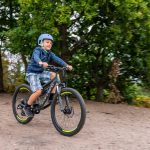
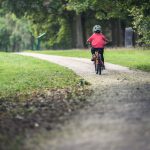
Cycling to school can be a quicker alternative to driving on traffic-heavy roads and saves you the hassle of finding a parking space. It can also save fuel costs, encourage regular exercise, and help older children develop independent travel skills and time awareness.
Forming a bike bus brings children together as they ride to school as a group, with the support of some adults. This is a great way to build community bonds and can free up time for parents as they take it in turns accompanying the bike bus.
Kids’ bike essentials for the school run
If your child is cycling to school, make sure they have the right equipment for a comfortable, visible and secure journey.
Safety essentials include:
- A well-fitting kids’ bike helmet.
- Front and rear bike lights, reflectors and even spokies for added visibility.
- Mudguards to keep their uniform clean and dry.
- Bike locks to keep their bike secure at school.
Optional bike accessories for school include:
- Bike styling accessories to make their bike feel personal and fun.
- Bike stabilisers if they’re still practising their balance and coordination.
- Elbow and knee pads and gloves to protect them from scrapes.
Whether your child has grown over the summer or you’re picking up their very first bike, pop by your local Halfords store for expert support on picking out a kids’ bike. From balance bikes to junior bikes and even BMX bikes, we’ve got a wide range to suit every young cyclist.
By scooter
Another way of getting some exercise in before school is scooting. Ideal for shorter journeys, scooting can help children develop balance and motor skills while keeping the school run fun. Consider your child’s age, height and skills when picking out the right scooter to ensure an enjoyable, safe experience.
Driving in an EV
If you need to travel a longer distance to school, an electric vehicle can offer the convenience of a car without producing tailpipe emissions. Despite the high upfront cost, EVs also typically cost less per mile to run and have lower maintenance expenses due to fewer moving parts.
Home charging can also be convenient and efficient, allowing you to charge overnight rather than making a separate trip to refuel when you’re already running late, plus EVs are quiet and easy to drive in stop-start traffic.
To keep your e-vehicle running at its very best, check out ways to maximise its range as well as scheduling regular EV servicing:
- Full Electric Vehicle Service, ideal for every 12 months or 12,000 miles.
- Major Electric Vehicle Service, ideal for every 24 months or 24,000 miles.
Don’t forget that you can save up to 50% off your MOT when booked alongside a service.
By car
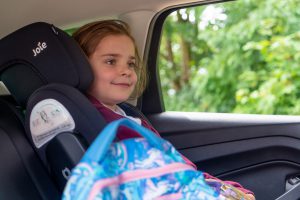
For longer journeys or families with limited public transport options, driving is often the most practical way to get to school. It’s useful if you’re carrying lots of bags, PE equipment or multiple children and provides a weatherproof option during colder months.
To make the most of your journey, consider combining the school run with your own commute to work or other errands. Car sharing is also an effective way to spread out the responsibility of the school run, helping parents save time and money.
Public transport
Getting the bus or train can be a great way of helping older kids develop their independent travel skills as well as learn how to check timetables and grow in confidence. Although public transport can take longer than driving along certain routes, it means that parents don’t need to navigate congested roads or find parking spaces, and instead the journey can be used to read, chat or prepare for the day.
Your child may be able to combine getting the bus or train with cycling to speed the journey up a little. Just be sure to check with the specific travel company on their rules about bringing a bike on board.
Walking
For short distances, walking to school can be one of the most efficient modes of travel. There’s no driving, parking or fuel costs, or even maintenance required, meaning it’s completely free and one of the healthiest ways to commute. In fact, in 2024, 83% of children aged 5 – 10 years old who lived within a mile of their school walked there.
Walking is ideal for busy urban areas where traffic can build up quickly, especially during rush hour, and it’s a great opportunity to spend some time with your child.
Getting to school efficiently doesn’t have to mean choosing the fastest route or relying on the car every day. From walking, cycling and scooting to public transport and EVs, the best option for this school year depends on your journey, your child’s age and what works for your family’s routine.
By planning your route, preparing the night before and making the most of each journey, you can make the school run smoother, less stressful and more enjoyable.
Halfords guarantee
With a 2-year guarantee across Halfords products and services, including Apollo, Boardman, Carrera, Voodoo and more, you can shop with confidence, knowing extra cover is available if something goes wrong. Whether you’re buying a product online, booking an in-store fitting or having work carried out at one of our garages, our guarantee covers you for 2 years or 24,000 miles, whichever comes first.
T&C: 2-year/24,000- mile guarantee requires registration. Visit Halfords.com (Halfords.ie for ROI) for full T&Cs and restrictions.